
Where to Stay on Pico Island: Hotels, Guesthouses and Villas
Compare accommodation types on Pico Island, from hotels and guesthouses to private villas, with practical guidance on location, group size and travel style.
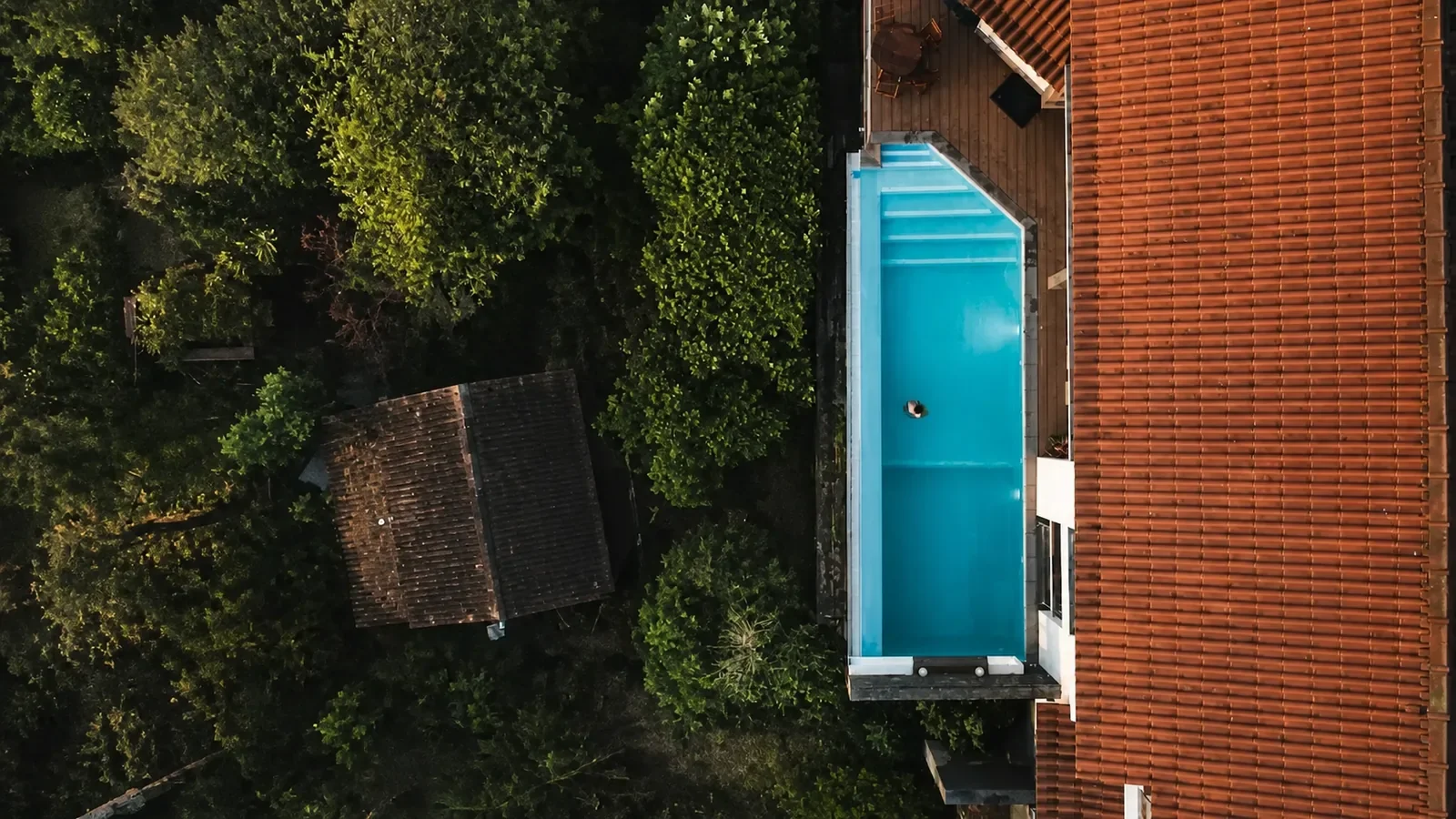
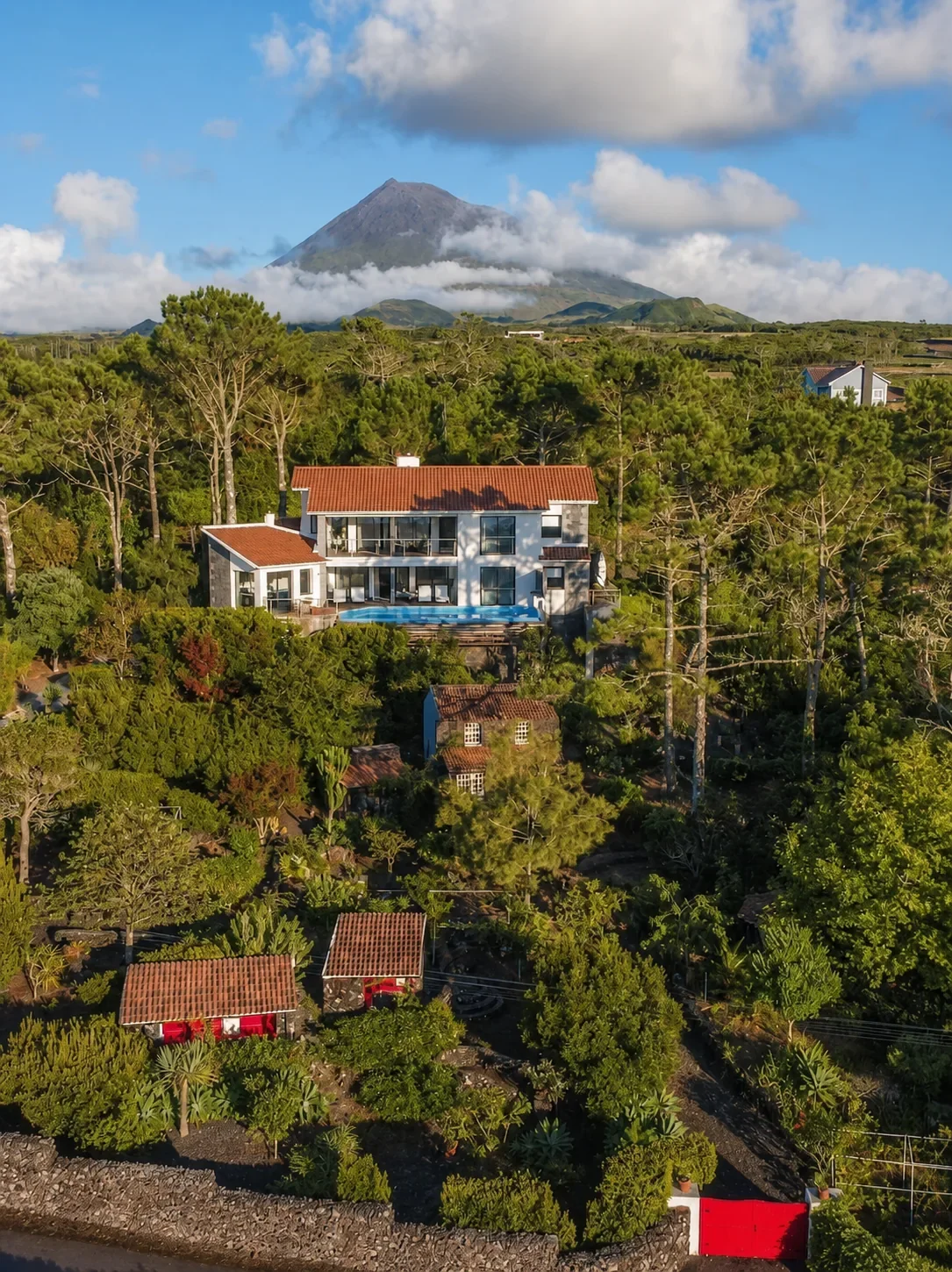
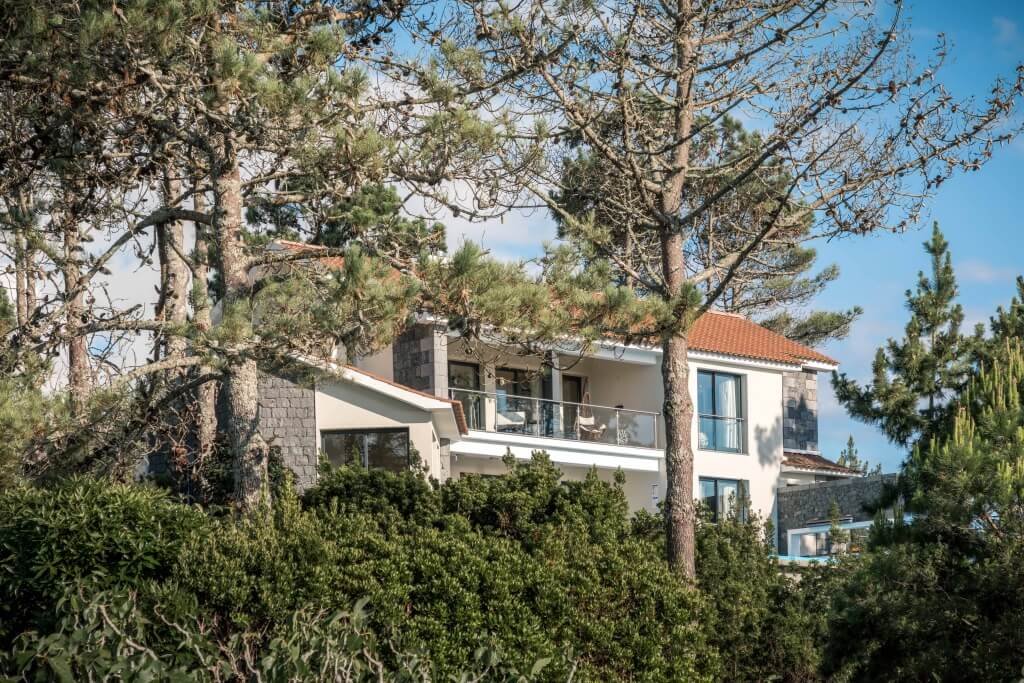
Choosing where to stay on Pico Island depends on how you plan to explore. Hotels can suit short visits and travellers who value reception services. Guesthouses offer local character and a smaller scale. A private villa can work well for families or groups who want shared space and a slower routine.
The best choice is the one that fits your location, group size, transport and preferred pace—not a single accommodation type for every traveller.
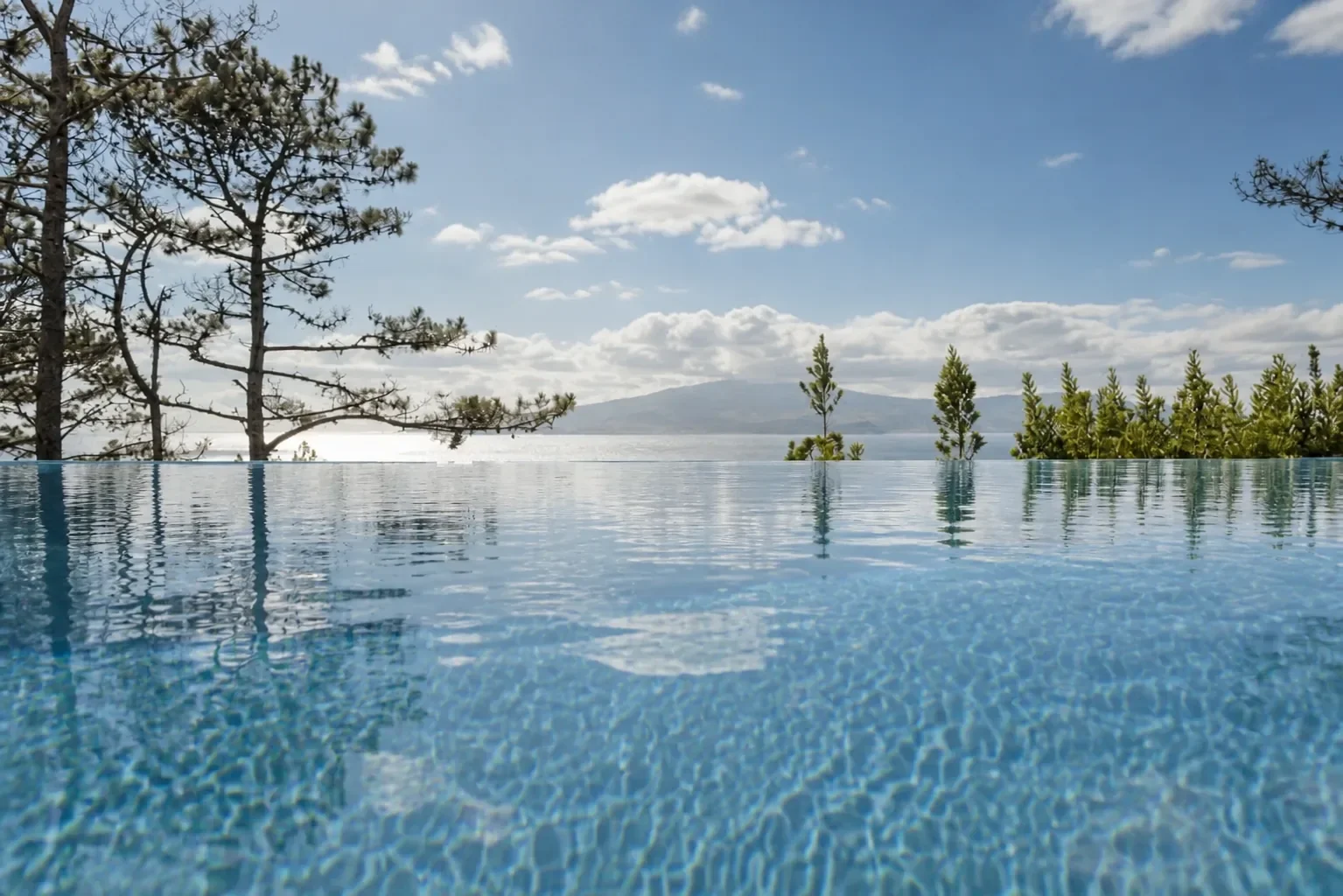
Hotels, guesthouses or a villa?
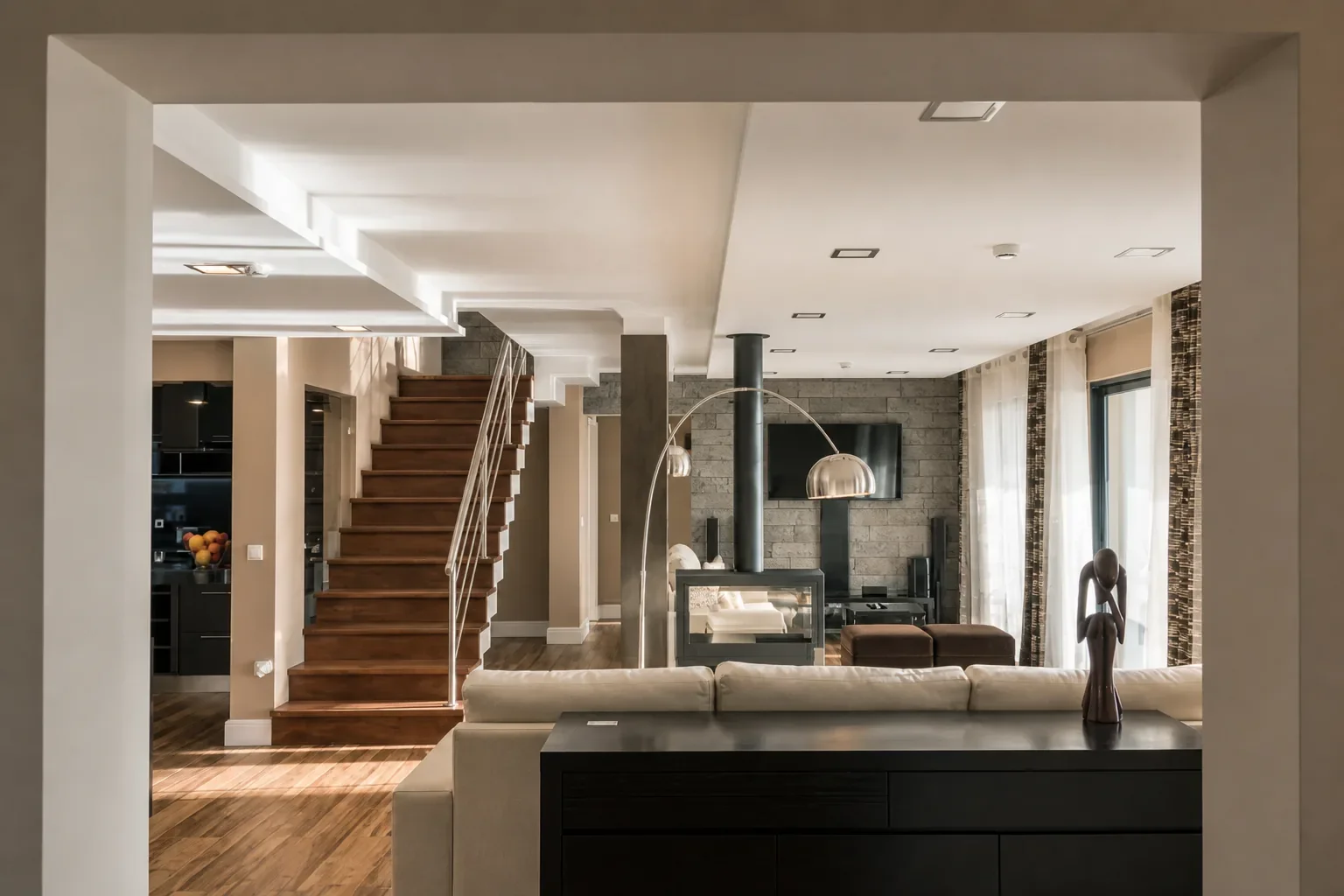
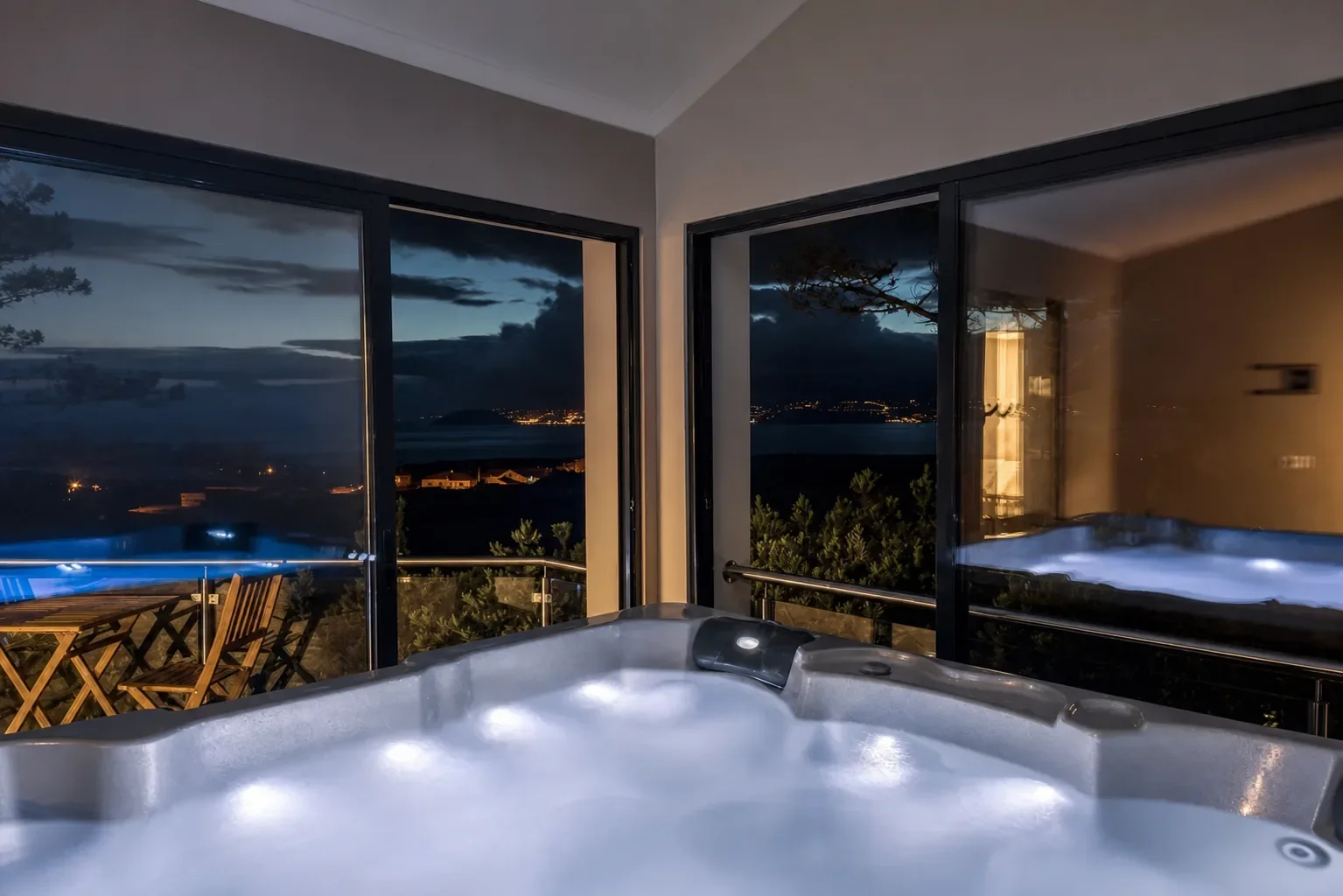
Hotels are practical for shorter stays and guests who prefer services in one place. Guesthouses can create closer contact with local hosts and communities. Villas offer independence, kitchens and shared living space, which may suit longer stays or multi-generational groups.
Compare cancellation terms, accessibility, parking and realistic driving times before booking.

Choose by location and travel style
Madalena is convenient for ferry connections, restaurants and access to the vineyard landscape. Rural areas can be quieter but usually require a car. If Mount Pico, whale watching or natural swimming areas are priorities, check journey times rather than relying only on island-wide descriptions.
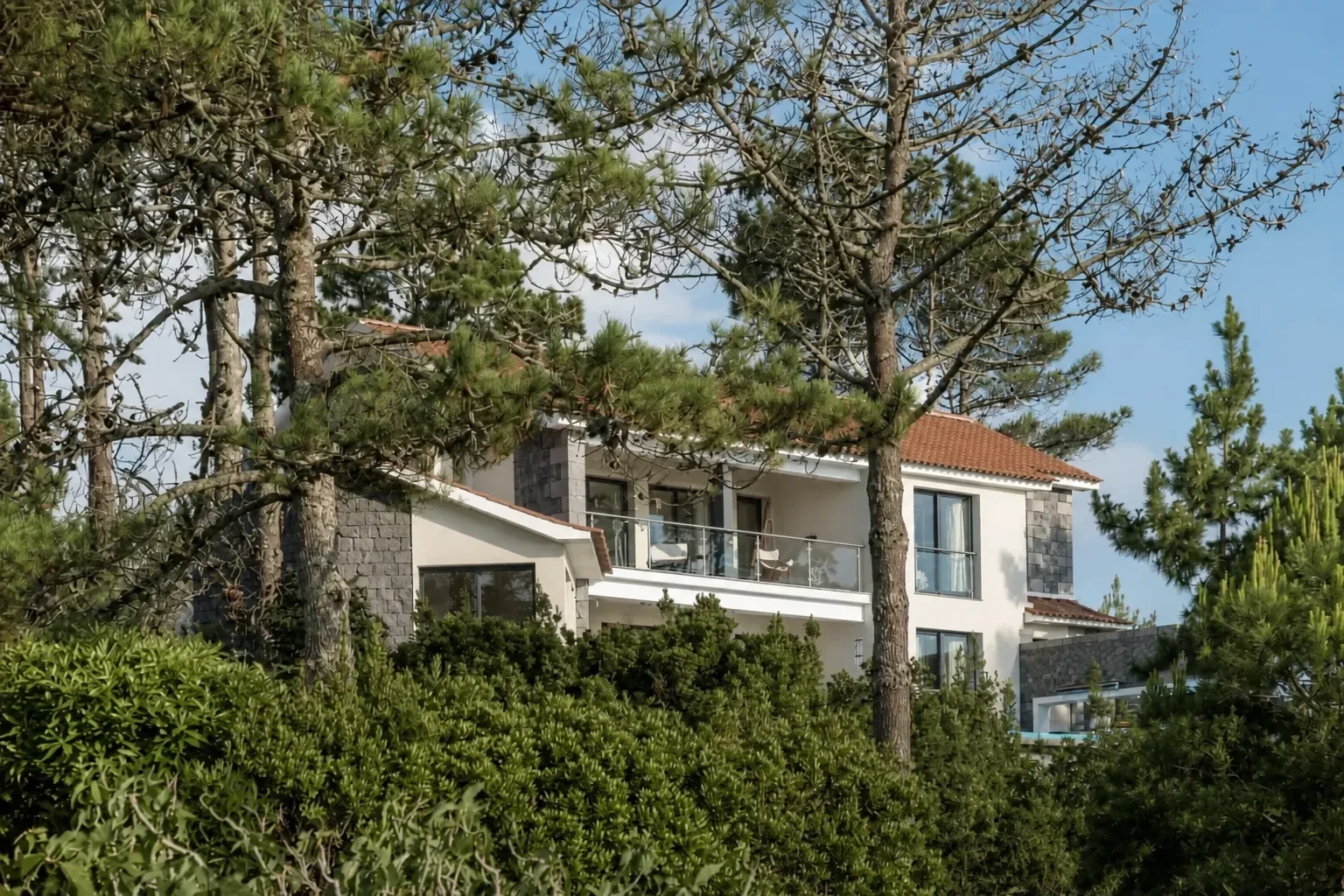
Questions to ask before booking
Confirm the total capacity, bedroom arrangement, heating or cooling, parking, check-in process and what is included in the rate. Families should check child-safety details, while remote workers may need reliable internet information. Always book through the accommodation’s official website or a reputable platform.

A clearly disclosed sister property
Azores Finest is an independent destination guide created by the team behind Atlantic Heritage Luxury Villa. Accommodation specifications, services, rates, availability and booking belong exclusively on the property website.
For verified property details, visit https://www.atlanticheritagevilla.com/property/

Pico Island Travel Guide: Landscapes, Culture and Experiences
Plan a thoughtful visit to Pico Island with guidance to volcanic landscapes, vineyards, whale watching, local culture and practical island experiences.
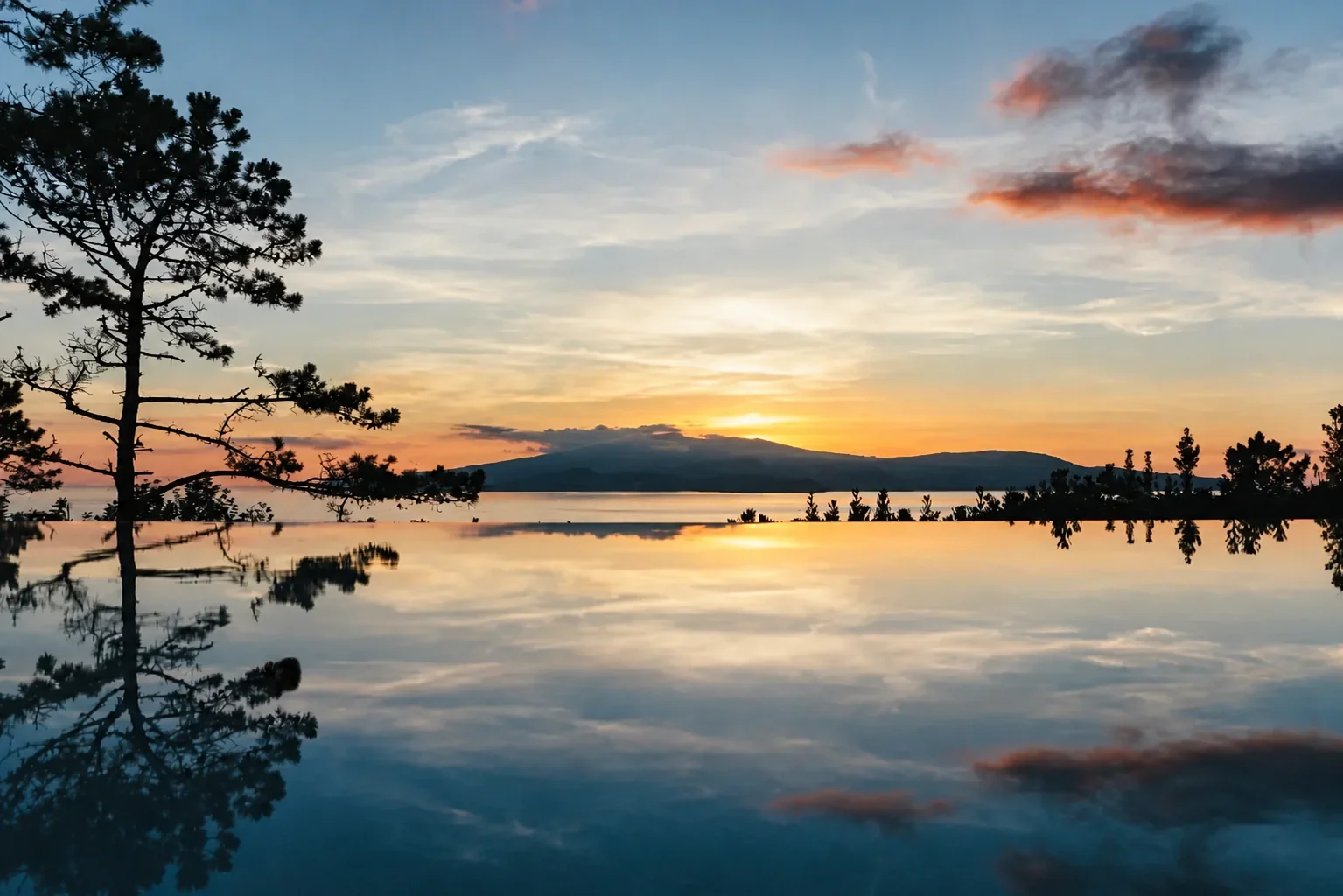
Pico Island is shaped by volcanic landscapes, Atlantic weather and a strong connection to the sea. This guide focuses on the places, experiences and practical choices that help visitors understand the island at a thoughtful pace.
Landscapes and island rhythm
Allow time for changing weather and spontaneous stops. Distances can look short on a map, but scenic roads, viewpoints and village visits often make the journey part of the experience.
Choosing a base
Madalena is useful for ferries, restaurants and access to the vineyard landscape. Rural bases can offer greater quiet, but a hire car is usually the most practical option. Choose by itinerary and driving time rather than accommodation marketing.
Mount Pico
Portugal’s highest mountain is the island’s defining landmark. The climb is demanding and weather-dependent, so use authorised guidance, check current access information and carry appropriate clothing, water and footwear.

Pico Mountain, one of the highest mountains in the world when measured from its undersea base and the tallest in Portugal, surrounded by unspoiled nature. A rare escape in today’s world, offering some of the freshest air and purest natural beauty on Earth.
Vineyards, whales and the coast
Explore the UNESCO-listed vineyard landscape, book whale watching with a responsible local operator and leave time for natural swimming areas when conditions are safe. These experiences explain Pico’s relationship with stone, sea and climate.

Experience the thrill of whale watching in the Azores, where majestic whales and dolphins glide through the pristine waters of the Atlantic Ocean, offering an unforgettable connection to marine life.
Local culture and where to stay
Visit small museums, wineries and village restaurants, and choose accommodation that supports the way you want to travel. Azores Finest is a destination guide created by the team behind Atlantic Heritage Luxury Villa; property details and booking remain on the official website: https://www.atlanticheritagevilla.com/property/
When to visit
Late spring through early autumn generally offers longer days and a broader choice of activities, while quieter months can suit travellers comfortable with variable weather. Always confirm seasonal opening times directly with operators.

The Azores, a serene escape from bustling city life, surrounded by untouched nature and offering the opportunity to breathe fresh, invigorating air amidst lush landscapes and tranquil seascapes.
Getting there and around
Flights connect Pico with other Azorean islands and mainland routes may require a connection. Ferries link Pico with Faial and São Jorge on seasonal schedules. Check official transport timetables close to travel and avoid building tight connections around weather-sensitive services.

A map showcasing the Azores, a hidden paradise in the middle of the North Atlantic Ocean, highlighting its location as a must-visit destination and a once-in-a-lifetime experience.
Plan with flexibility
Pico rewards unhurried travel. Keep space in the itinerary for weather changes, local recommendations and time outdoors, and verify opening hours and safety information with official sources before setting out.

Rural Tourism on Pico Island: A Sustainable Travel Guide
A practical guide to sustainable rural tourism on Pico Island, including local culture, transport, nature etiquette and responsible accommodation choices.
Rural tourism on Pico Island connects travellers with volcanic landscapes, small communities and local traditions. Done thoughtfully, it can spread visitor spending beyond the busiest areas and support year-round island life.

Renewable energy investments in the azores decreasing the carbon footprint of the autonomous region.
“The greatest threat to our planet is the belief that someone else will save it. ”
What sustainable rural travel means
Choose locally owned services, respect private land and marked trails, reduce waste and water use, and follow guidance around protected landscapes. Sustainability depends on everyday choices as much as accommodation labels.
Focus on green energy, combined with eco-friendly tourism initiatives.
Support local culture and producers
Visit vineyards, museums, workshops and village restaurants with appropriate opening-hour checks. Buying regional products and booking local guides can keep more tourism value within the island community.
“A transition to clean energy is about making an investment in our future.”
Travel slowly and plan transport
A longer stay with fewer journeys can reduce pressure and create a richer experience. Use ferries where practical, share transport when possible and group nearby sights into the same day rather than repeatedly crossing the island.

Wind turbines harnessing eolic energy, generating clean and renewable power from the wind.
Respect nature and residents
Stay on designated routes, observe wildlife from a responsible distance and avoid disturbing quiet residential areas. Natural pools, mountain routes and coastal sites require extra caution when weather or sea conditions change.

The combination of authenticity, sustainability, and a close connection to local life makes rural tourism an attractive choice for visitors.
“Take only memories, leave only footprints.”
Choosing accommodation
Look for transparent environmental practices, realistic capacity information and a location that fits your itinerary. Azores Finest is a destination guide created by the team behind Atlantic Heritage Luxury Villa; verified property details and booking are kept on the official property website: https://www.atlanticheritagevilla.com/property/

Exploring Pico Island: Vineyards, Whale Watching and Mount Pico
Explore Pico Island through its UNESCO vineyards, responsible whale watching, Mount Pico and practical advice for planning a balanced island itinerary.

Pico Mountain, the highest peak in Portugal and one of the tallest in the world when measured from its subsea base, standing majestically as a natural wonder in the Azores.
Pico Island combines Portugal’s highest mountain with a UNESCO-listed vineyard landscape and Atlantic wildlife. This overview brings together the island’s essential experiences without turning the guide into an accommodation sales page.
The vineyard landscape
Around Madalena and the island’s western coast, dry-stone walls protect vines from wind and salt. Visit interpretation centres and wineries, follow marked routes and respect working agricultural land.

UNESCO-protected vineyards on Pico Island, featuring scenic trails that offer a unique opportunity to explore and savor wines influenced by the volcanic soil, creating a one-of-a-kind taste experience.
Whale watching and Mount Pico
Book whale watching with a responsible local operator and allow flexibility for sea conditions. Climbing Mount Pico requires preparation, suitable equipment and current access information; weather can change quickly even in summer.

A cow strolling along a quiet road on Pico Island, showcasing the serene beauty of the natural surroundings and the charm of encountering local rural life.
Plan a balanced stay
Combine major sights with village stops, natural swimming areas and local food, grouping nearby places to reduce unnecessary driving. Azores Finest is a destination guide created by the team behind Atlantic Heritage Luxury Villa; verified property information and booking are available only on the official website: https://www.atlanticheritagevilla.com/property/

Vibrant hydrangeas in full bloom, lining the landscapes of the Azores, serving as an iconic symbol of the islands’ natural beauty and charm.